

This week, BookNet joins the world in commemorating Neurodiversity Celebration Week. Neurodiversity Celebration Week is described to be, “a worldwide initiative that challenges stereotypes and misconceptions about neurological differences. It aims to transform how neurodivergent individuals are perceived and supported by providing schools, universities, organisations, and others around the world with the opportunity to recognise the many skills and talents of neurodivergent individuals, while creating more inclusive and equitable cultures that celebrate differences and empower every individual.”
To learn more about this movement and for resources, visit neurodiversityweek.com.
Awareness of neurodiversity has been growing globally for many years now. More recently, individuals and organizations have used tools at their disposal to help share experiences through conversations over social media and representation across all forms of media. This includes the publishing industry.
The latest example of how this has influenced the book industry was seen as recently as last month, during our most recent Tech Forum session: The ripple effect of romance: How to leverage trending subjects. In this session and in this blog post, we briefly discuss the new BISAC codes that have been introduced to better categorize neurodivergent experiences in the literary world.
The most noteworthy additions have been those of neurodiversity as a subcategory. Some of these are:
FAMILY & RELATIONSHIPS / Neurodiversity
FICTION / Romance / Neurodiversity
SELF-HELP / Neurodiversity
SOCIAL SCIENCE / Neurodiversity
For detailed updates on what these changes were, read the updates to standards or watch the Tech Forum session.
Outside of the impact on standards, we wanted to take a look at how else this increase in awareness and representation of neurodiversity has looked over the past six years in the book industry.
Interest in neurodiversity over time
To start, we looked at the popularity of neurodiversity as a search term.
As shown in the graph below, there was a steady increase in searches for neurodiversity from 2020, growing exponentially during the pandemic, after which it continued to see an incline. While not steady, there is a consistent spike and drop of the search terms, the popularity of them remaining higher than it was at the beginning of 2020.
Due to this steadily growing interest, awareness and pursuit of relevant knowledge amongst Canadians, we then wondered how this may have impacted the performance of books relating to neurodiversity.
Sales in subcategories related to neurodiversity in Non-Fiction
Due to the various subcategories in Non-Fiction relating to neurodiversity, we compiled the sales of all these subcategories to get a more holistic view of how these titles have been performing. These subcategories include:
Non-Fiction / Family & Relationships / Attention Deficit Disorder (ADD-ADHD)
Non-Fiction / Psychology / Psychopathology / Attention-Deficit Disorder (ADD-ADHD)
Non-Fiction / Psychology / Psychopathology / Autism Spectrum Disorders
Non-Fiction / Family & Relationships / Autism Spectrum Disorders
Juvenile / Juvenile Nonfiction / Neurodiversity
Young Adult / Young Adult Nonfiction / Neurodiversity
Non-Fiction / Family & Relationships / Neurodiversity
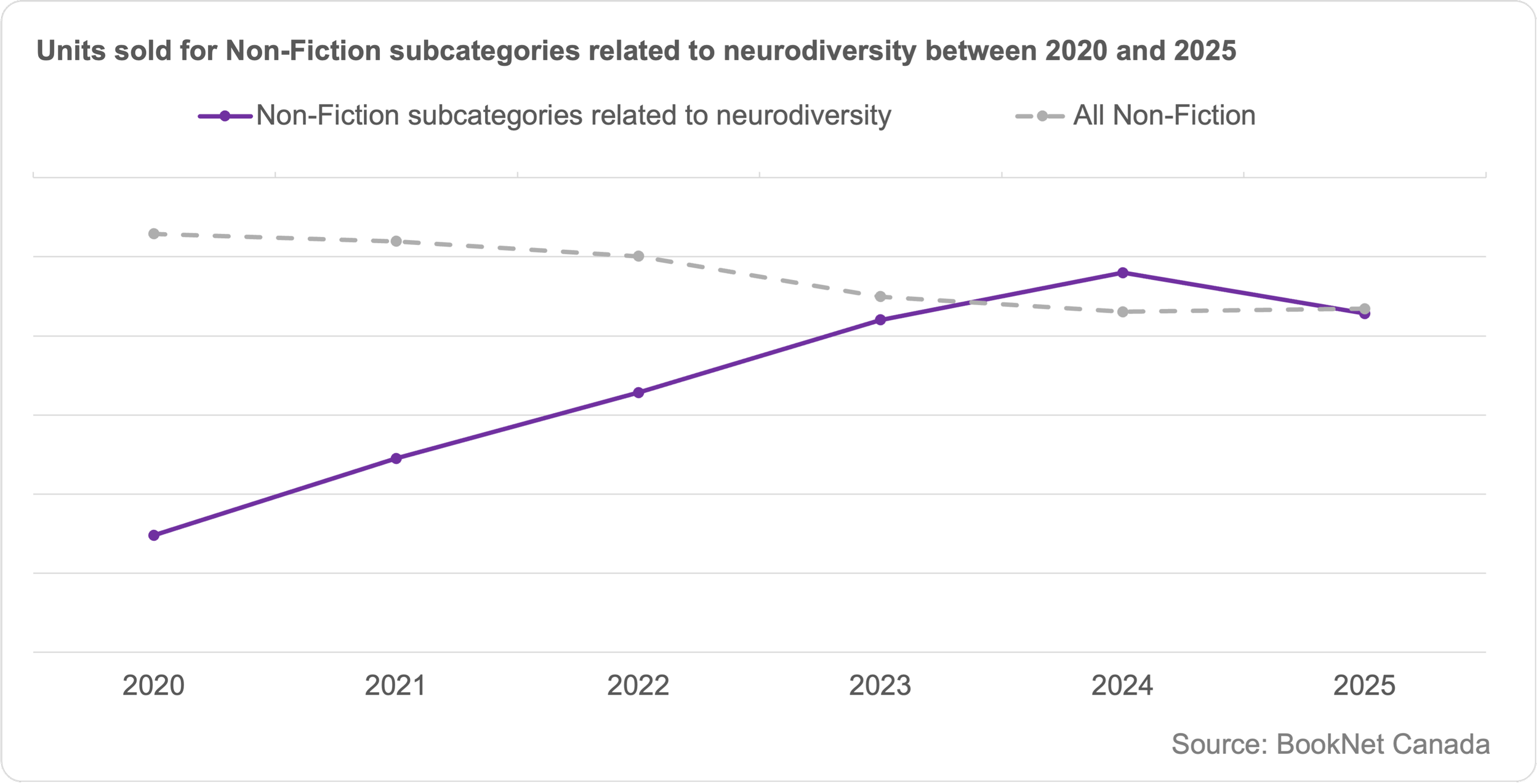
Much like the steady incline in the interest over time through search terms, the graph above reaffirms the willingness of people to learn more about this subject matter. With a steady incline from 2020 to 2024, there is a slight decrease in 2025.
Sales in subcategories related to neurodiversity in Fiction
When it comes to Fiction, we compiled the sales of the following neurodiversity-related subcategories:
Fiction / Romance / Neurodiversity
Juvenile / Juvenile Fiction / Neurodiversity
Young Adult / Young Adult Fiction / Neurodiversity
Fiction / Neurodiversity
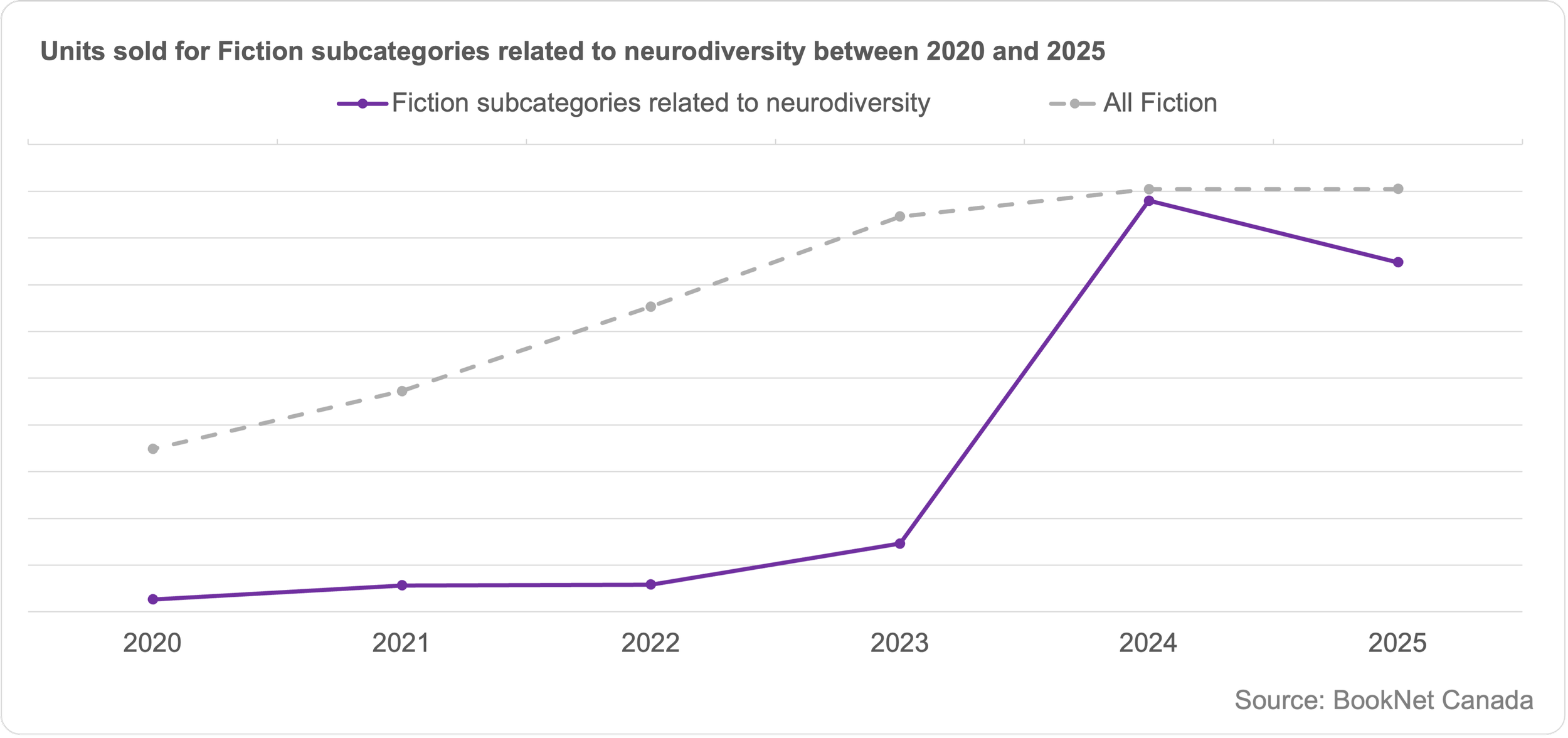
The sales for these titles started out low, seeing little growth between 2020 and 2022, before seeing a slight increase in 2023 and giving way to a sharp spike in 2024. With increasing representation and the addition of newer, more accurate subcategories to BISAC, this rapid growth reflects the growing awareness and interest among Canadian readers.
Subcategories related to neurodiversity that experienced the highest growth in 2025
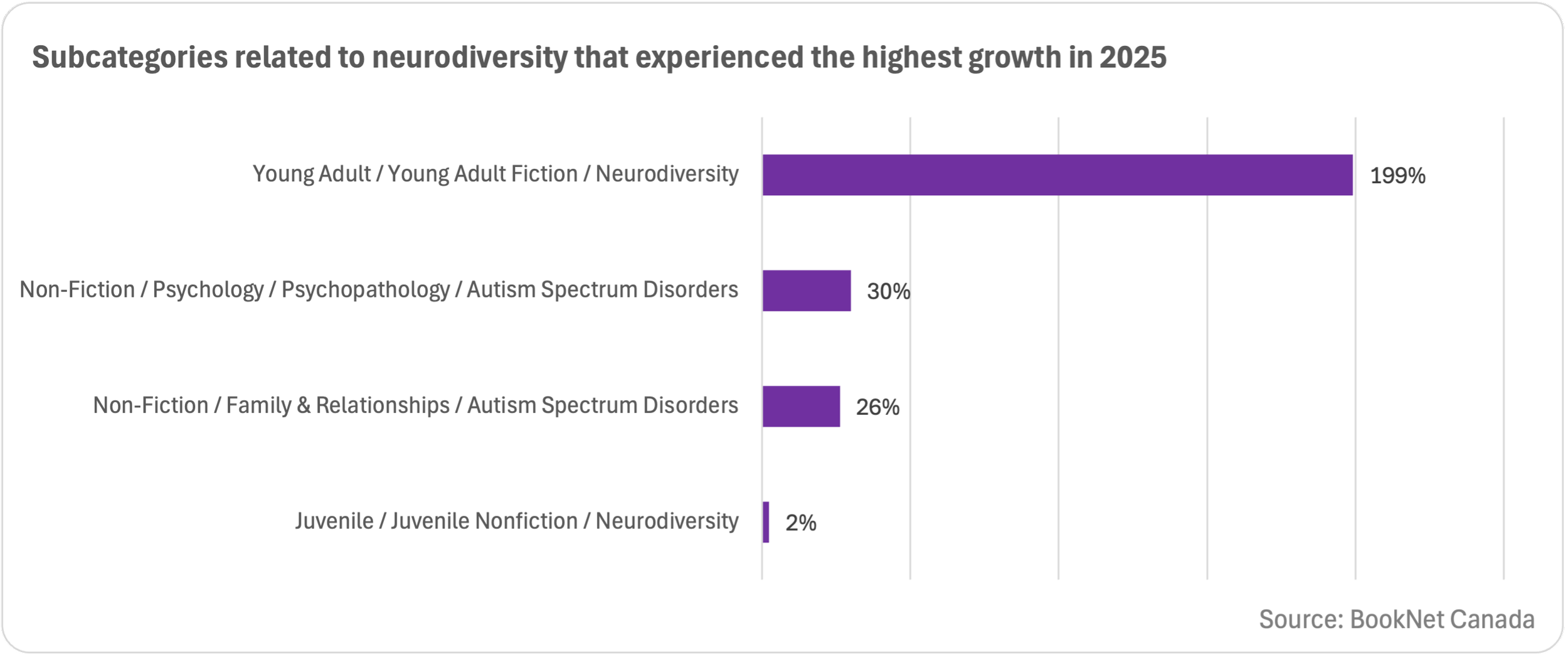
The BISAC subcategories with the highest year-over-year increases in sales:
Young Adult / Young Adult Fiction / Neurodiversity— up 199%
Non-Fiction / Psychology / Psychopathology / Autism Spectrum Disorders — up 30%
Non-Fiction / Family & Relationships / Autism Spectrum Disorders — up 26%
Juvenile / Juvenile Nonfiction / Neurodiversity — up 2%
Top performing subcategories in Non-Fiction in Q4 of 2025
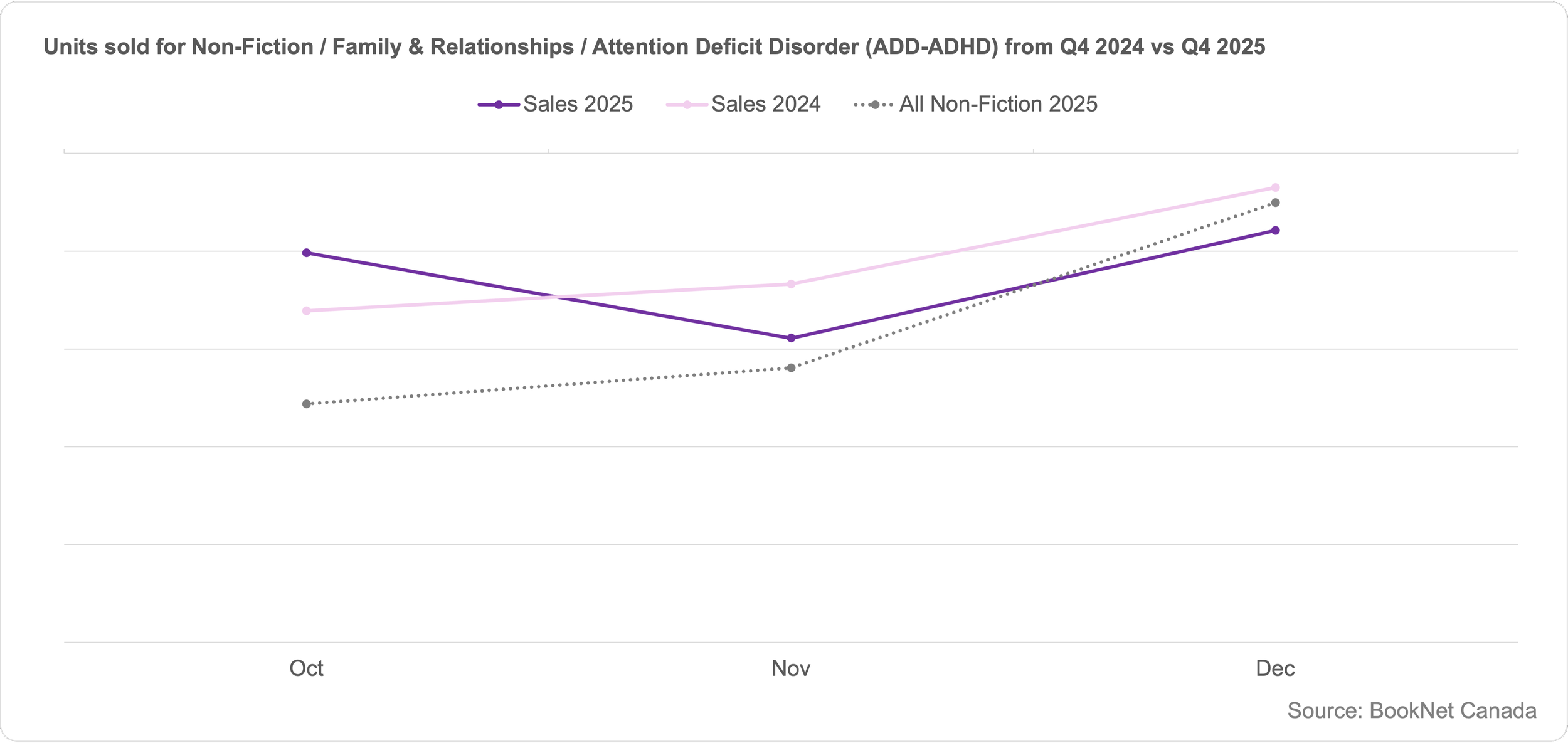
The top performing subcategory in Non-Fiction for sales was Non-Fiction / Family & Relationships / Attention Deficit Disorder (ADD-ADHD).
As shown in the graph below, year-over-year sales of these titles were up 18% in October, down by 15% in November, and by another 9% in December.
Overall, the sales of these titles increased by 37% and 6% in the fourth quarters of 2024 and 2025, respectively.
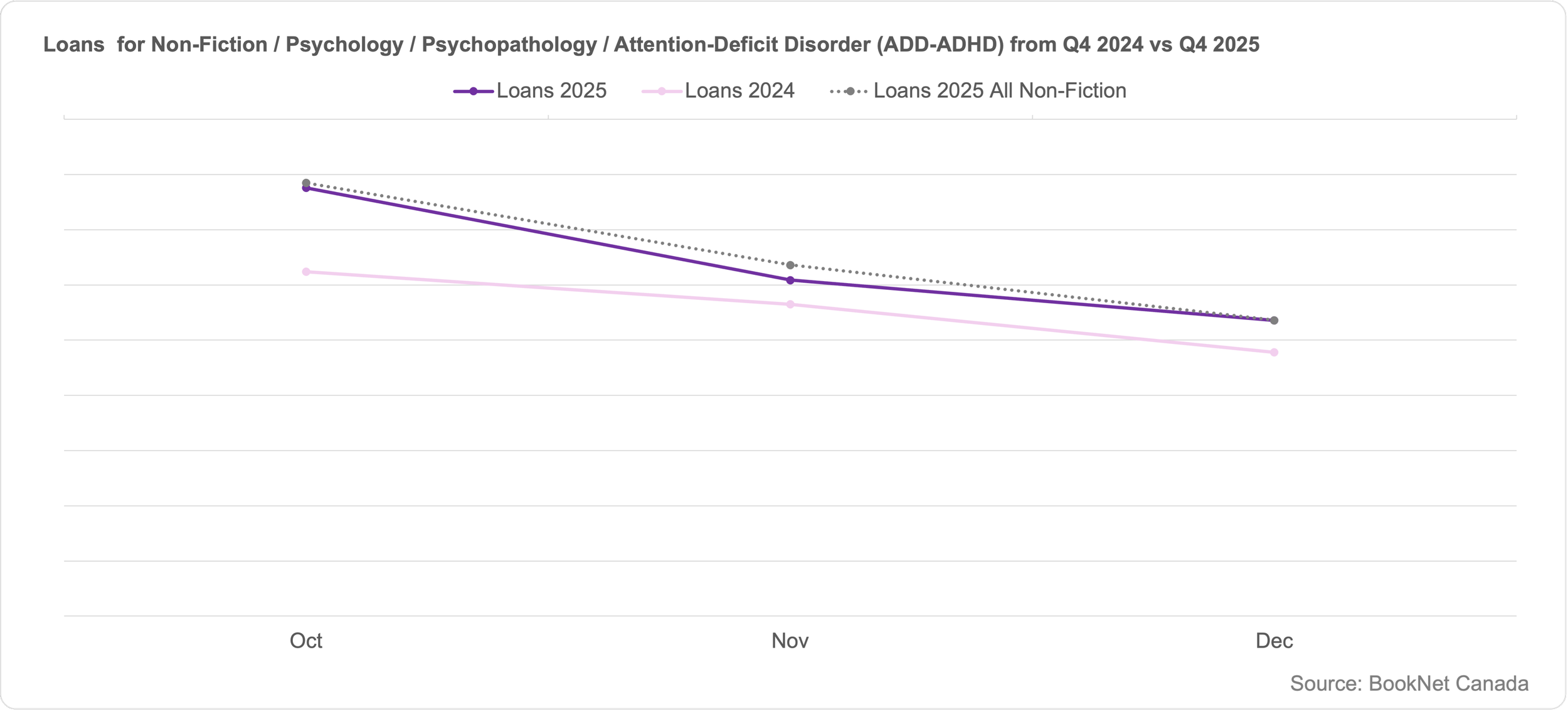
The top borrowed subcategory, however, was Non-Fiction / Psychology / Psychopathology / Attention-Deficit Disorder (ADD-ADHD).
Year-over-year, loans for these titles increased by 24% in October, 8% in November, and 12% in December. Overall loans decreased by 23% in the fourth quarter of 2024 and by 31% in the fourth quarter of 2025.
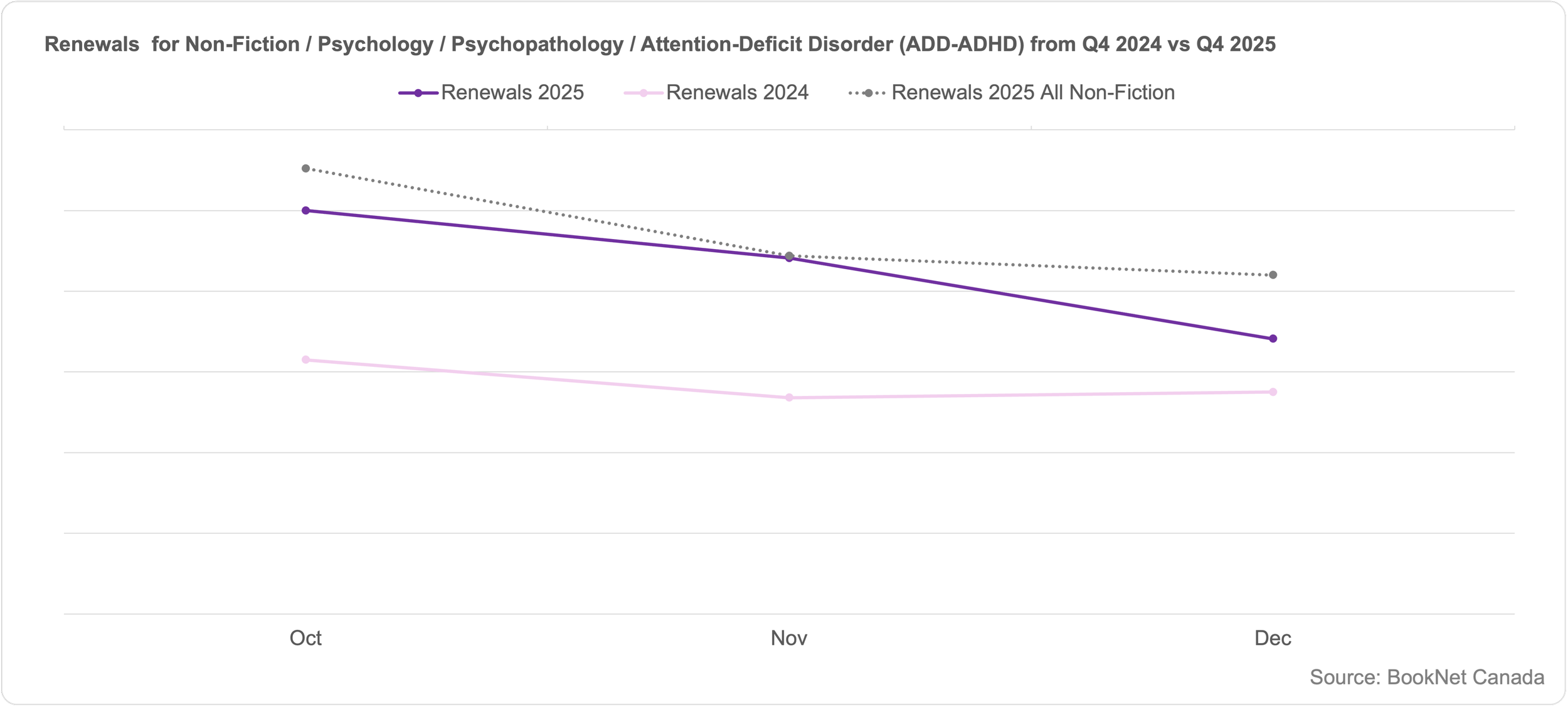
Year-over-year, renewals for these titles increased by a noteworthy 59% in October, 65% in November, and 24% in December. Overall loans decreased by 13% in the fourth quarter of 2024 and by 32% in the fourth quarter of 2025.
Top performing subcategories in Fiction in Q4 of 2025
The top performing subcategory in Fiction for sales was Juvenile / Juvenile Fiction / Neurodiversity.
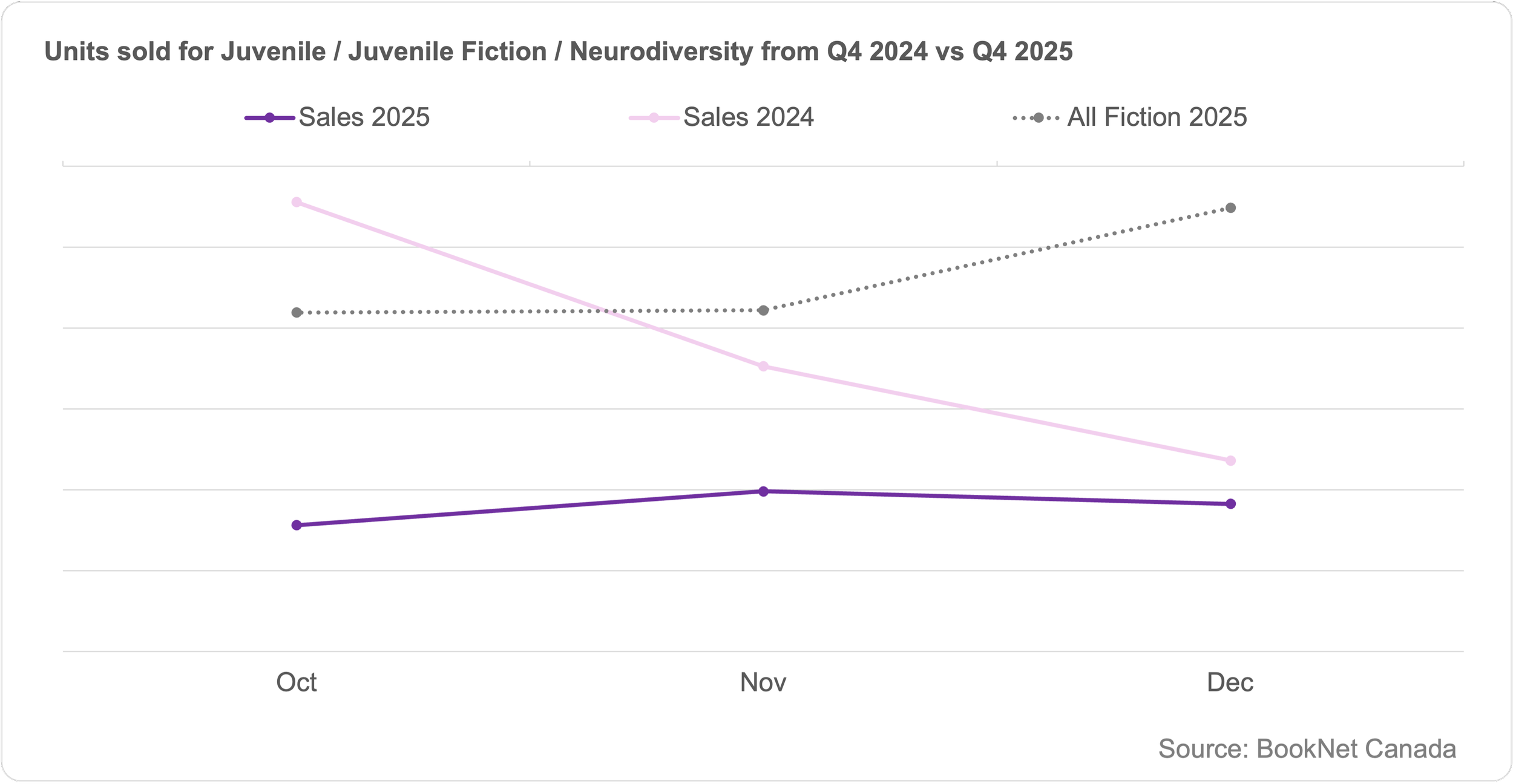
As shown in the graph below, year-over-year sales of these titles were down 72% in October, 44% in November, and 23% in December. Overall, the sales of these titles decreased by 58% and increased by 17% in the fourth quarters of 2024 and 2025, respectively.
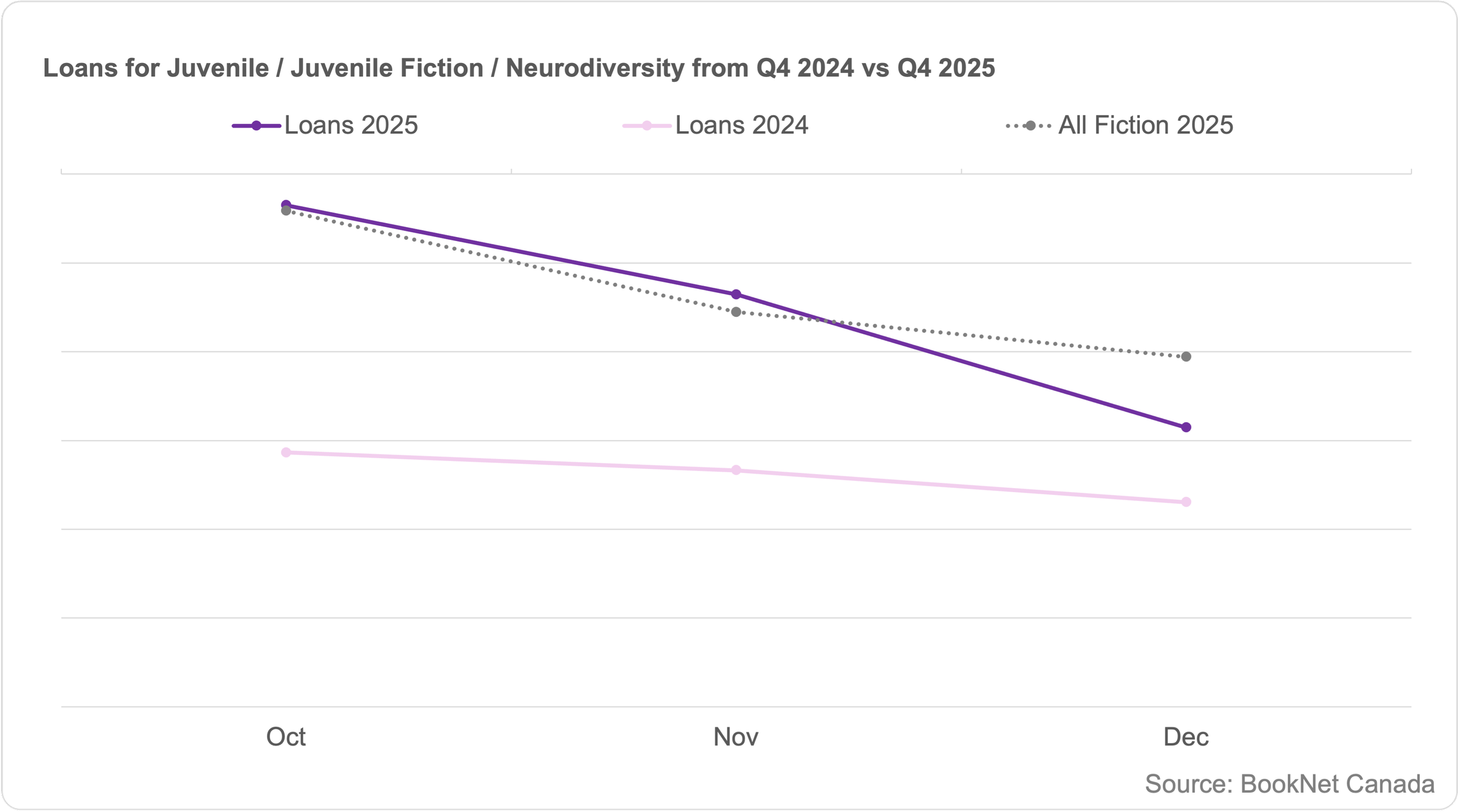
Year-over-year, loans for these titles increased by 97% in October, 74% in November, and 36% in December. Overall loans decreased by 20% in the fourth quarter of 2024 and decreased by 44% in the fourth quarter of 2025.
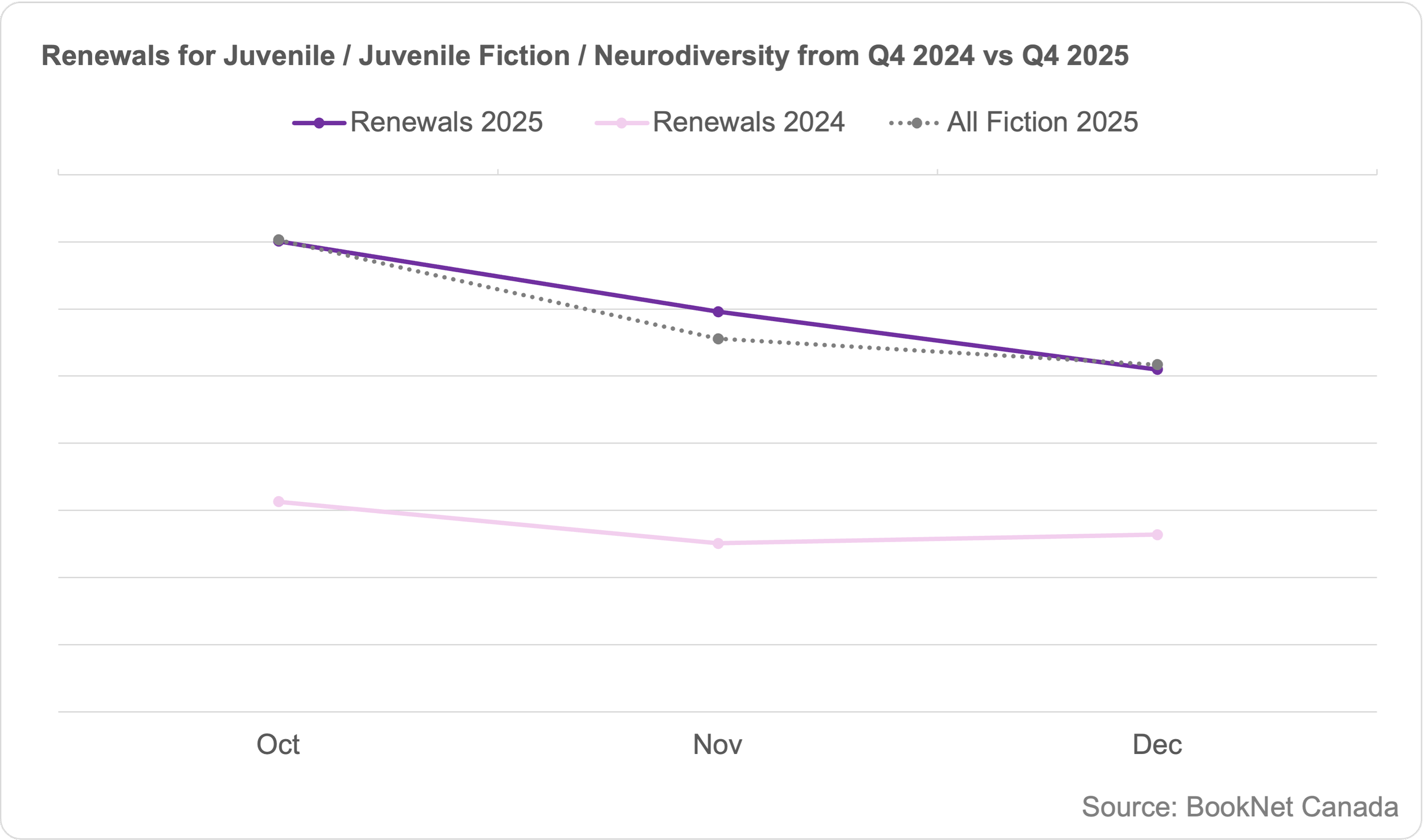
Year-over-year, renewals for these titles increased by 124% in October, 137% in November, and 93% in December. Overall renewals decreased by 16% in the fourth quarter of 2024 and by 27% in the fourth quarter of 2025.
Popular neurodiversity-related titles in Non-Fiction
Top selling
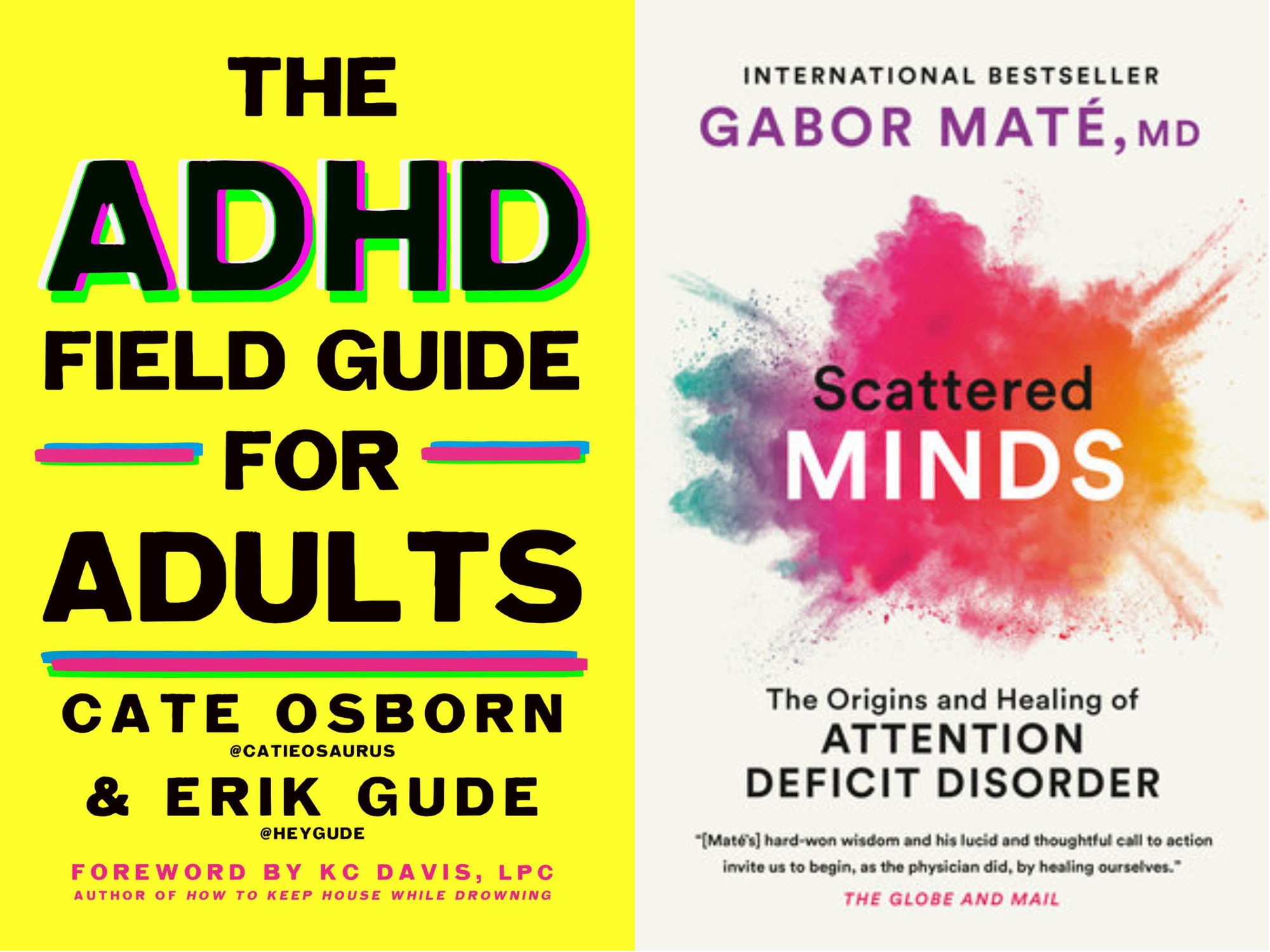
The ADHD Field Guide for Adults by Cate Osborn, Erik Gude, Rennie Dyball & K. C. Davis
Scattered Minds by Gabor Maté 🍁
Self-Care for People with ADHD by Sasha Hamdani
The Autistic Burnout Workbook by Megan Anna Neff
ADHD Is Awesome by Kim Holderness & Penn Holderness
Top borrowed
Scattered Minds by Gabor Maté 🍁
It’s My Brain! by Elise Gravel 🍁
Unmasking Autism by Devon Price
Stolen Focus by Johann Hari
ADHD 2.0 by Edward M. Hallowell & John J. Ratey
Popular neurodiversity-related titles in Fiction
Top borrowed
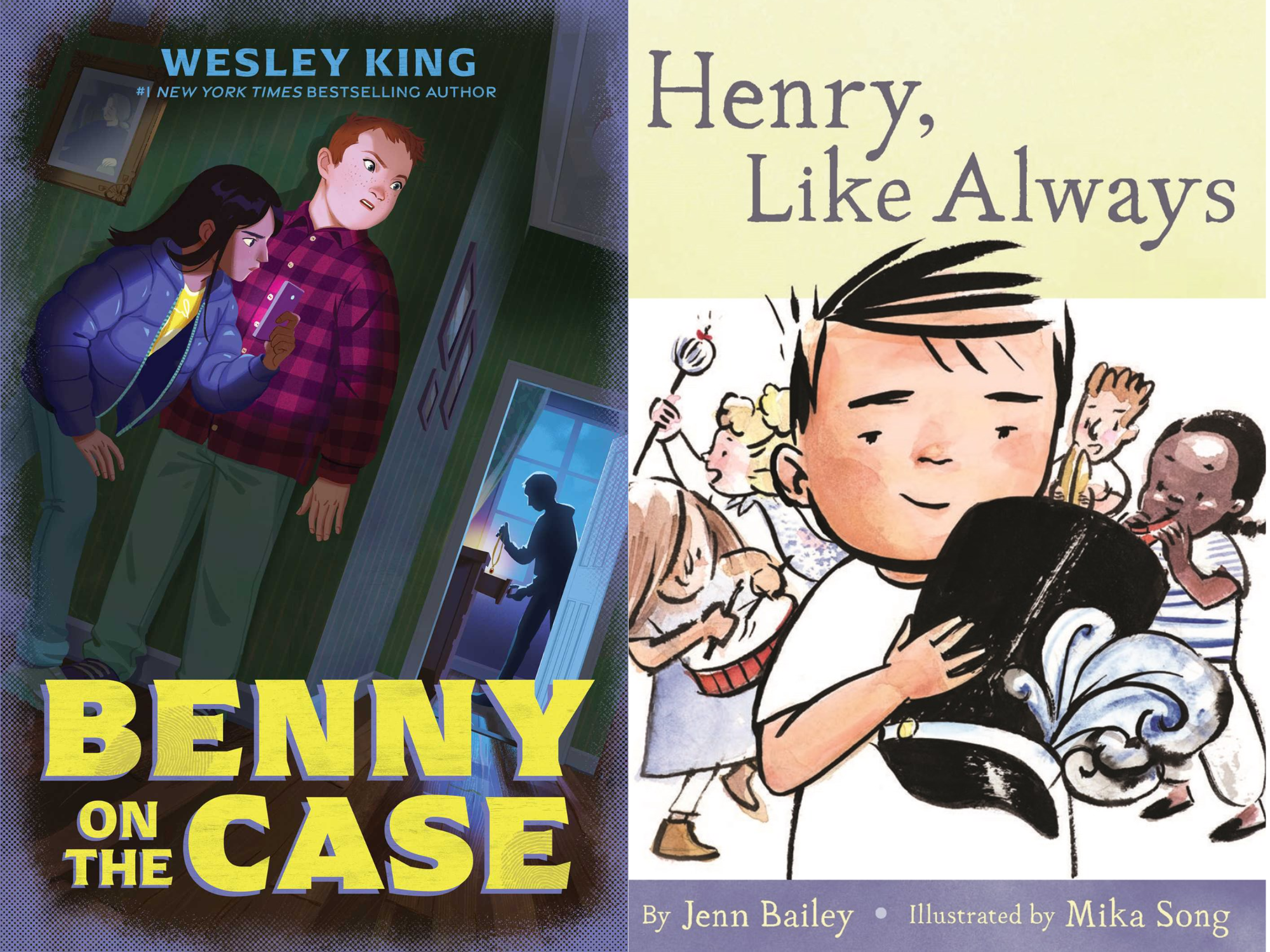
Henry, Like Always by Jenn Bailey & Mika Song
Together, a Forest by Roz MacLean 🍁
No Huddles for Heloise by Deborah Kerbel & Udayana Lugo 🍁
Mia the Masterpiece by Mia Armstrong & Alexandra Thompson
Good Different by Meg Eden Kuyatt
Top selling
Benny on the Case by Wesley King & Maike Plenzke 🍁
The Anxious Exile of Sara Salt by Gabrielle Prendergas 🍁
A Day with No Words by Tiffany Hammond & Kate Cosgrove
Together, a Forest by Roz MacLean 🍁
A Glimmer of Change by Elle McNicoll
Looking for more data on what Canadians are reading, buying and borrowing? Visit our research page to look at our most recent reports and keep an eye out for the upcoming ones for more up-to-date information!









Updating from 3.0 to 3.1 involves only a handful of steps. Find out what they are here!