

 A new BC startup hopes to help readers digitize their libraries and help publishers sell multiple formats of titles to a new breed of consumer. As a fan of cloud storage and user of ebooks and print formats, my interest was piqued.
Just Browsing
 How do you like to browse? Browse the internet, that is.
So many of us simply use whichever browser came pre-installed on our computers—and if you’re using a desktop PC, chances are that browser is Microsoft’s Internet Explorer. If you click on a big blue ‘e’ to get to the internet from your computer, then you can count yourself among the Internet Explorer users across the country.
Nerd Spotting
 When I first began work on The Canadian Book Consumer reports I was overwhelmed by the data. The first week is a blur of Excel spreadsheets and percentages, mixed in with feelings of trepidation and uncertainty. But as I continued I discovered that there were distinct patterns in the data, particularly when I was tasked with creating consumer profiles based on genre preferences.
Data and Wisdom at MIP 2013
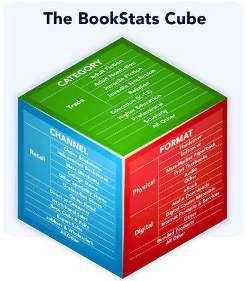 The tenth annual Making Information Pay (MIP) conference ran under the banner “Data. Information. Knowledge. Wisdom.” This annual, half-day conference from the Book Industry Study Group encouraged attendees to use data to make business decisions, a notion that BookNet firmly believes in and advocates.
Google Trends and Top Charts
Google Trends today launched Top Charts, a monthly view (US-only for the time being) of the top searches on Google, broken down by some broad categories—like books, cars, athletes, and many more. Here’s what might be of interest to bookish folk.
Canadian Book Consumer 2012

Canadian Book Consumer 2012 - An infographic by the team at BookNet Canada
Embed this infographic using the code below:
<img src="/storage/research-education/BookNet%20CBC%202012%20Infographic.jpeg?__SQUARESPACE_CACHEVERSION=1384784845674" width="540"> <p>Canadian Book Consumer 2012 - An infographic by the team at <a href="/consumer-studies/">BookNet Canada</a></p>
#CMPTO Wrap Up: Start Your Engines!

What Does It Mean to Implement ONIX 3.0?
 It’s a vexing question. I like to explain ONIX for Books by separating out the standard (what you track as metadata) from the technical side (XML, which can be thankfully ignored in this post). ONIX as a standard is a way for two companies to exchange information about books without ambiguity by using published definitions. Using the standard involves those companies agreeing between them on what level of detail they need from the ONIX data fields to support their systems and sales.
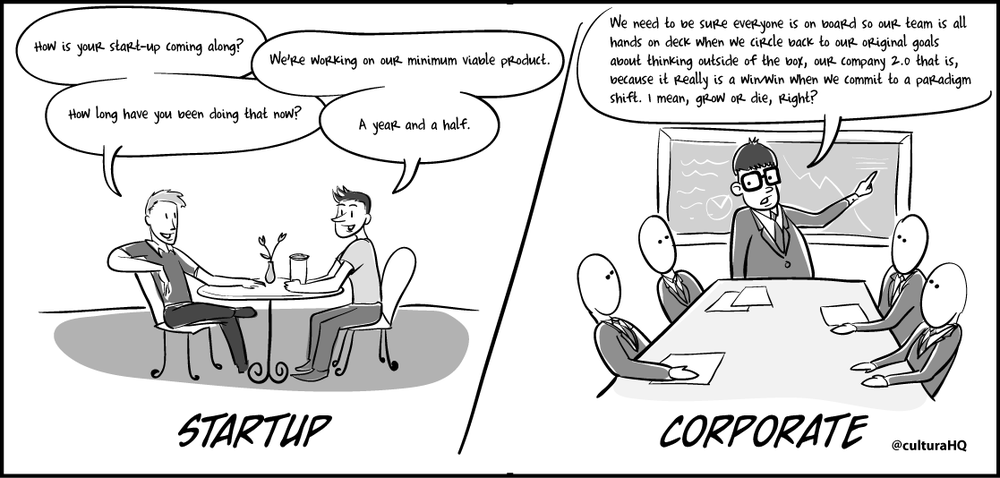
CMPTO: Start Your Engines!
Spotlight: BiblioCommons
 The technology behind library ebook distribution can be challenging for librarians and patrons alike.
Beth Jefferson, the co-founder and CEO of library-focused tech startup BiblioCommons, discusses the opportunities and challenges of public library ebook distribution, and suggests ways that libraries can improve user experience, increase discoverability of a wider range of titles, and even—wait for it—sell books to library patrons.
