
Most printed products sold at retail establishments that scan items at the point of sale (POS) or checkout require a barcode. The book barcode usually comprises a graphical representation of the 13-digit ISBN (or Bookland EAN) and a “price add-on.”
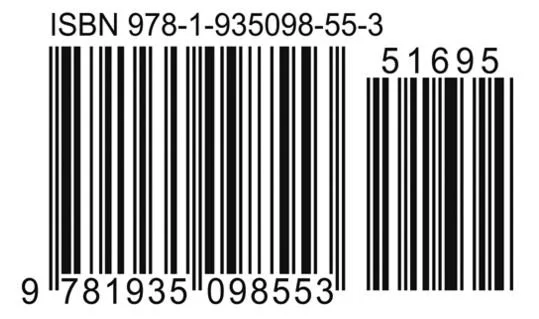
In the price add-on (the small barcode to the right of the primary barcode in the image above) for the EAN barcode, the leading digit of 5 is used to indicate a price in US currency and a 6 is used to signify prices in Canadian currency — this prefix for the price add-on is reserved for Canadian prices only, however, it’s not widely used in the Canadian market.
The Canadian book supply chain has traditionally followed the Barcoding Guidelines for the US Book Industry, and BISG is looking for feedback on the use of the price add-on barcode on trade books.
Are you a publisher, retailer, distributor, or trade wholesaler that uses or has an interest in pricing on books? Then, the BISG Supply Chain Committee and its Barcode Standards Working Group are looking for your input via two surveys.
-
One was designed to be answered by publishers, specifically to assess the need for options that would support more dynamic pricing for physical goods.
-
The other is for distributors and retailers, to better understand current practices and any roadblocks to that would have to be overcome to change the use of the price extension in barcodes appearing on the cover of trade titles.
You can find more information on the surveys and barcodes here.
Note: BookNet Canada participates in the BISG Supply Chain Committee and is happy to take any feedback or questions you may have.